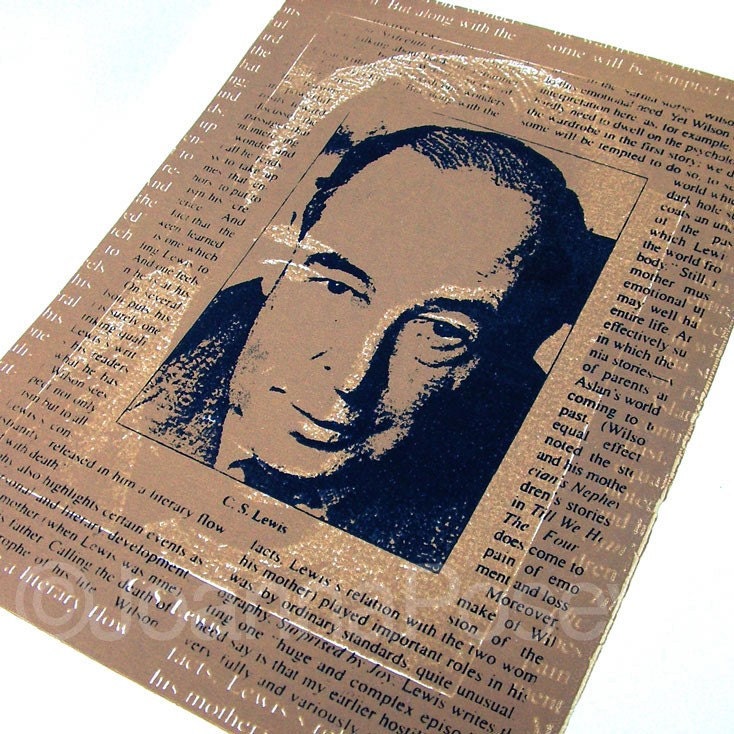
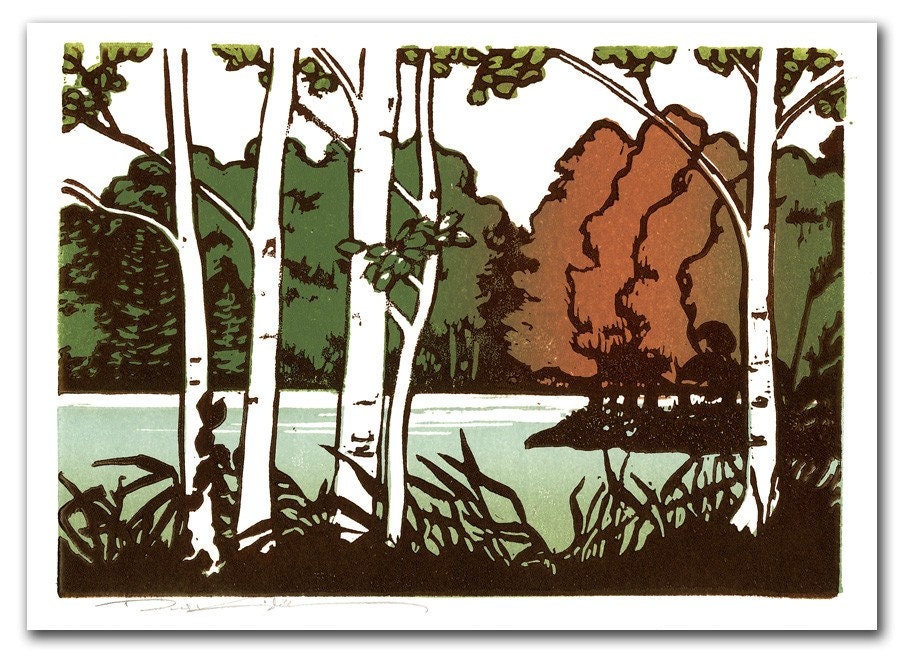
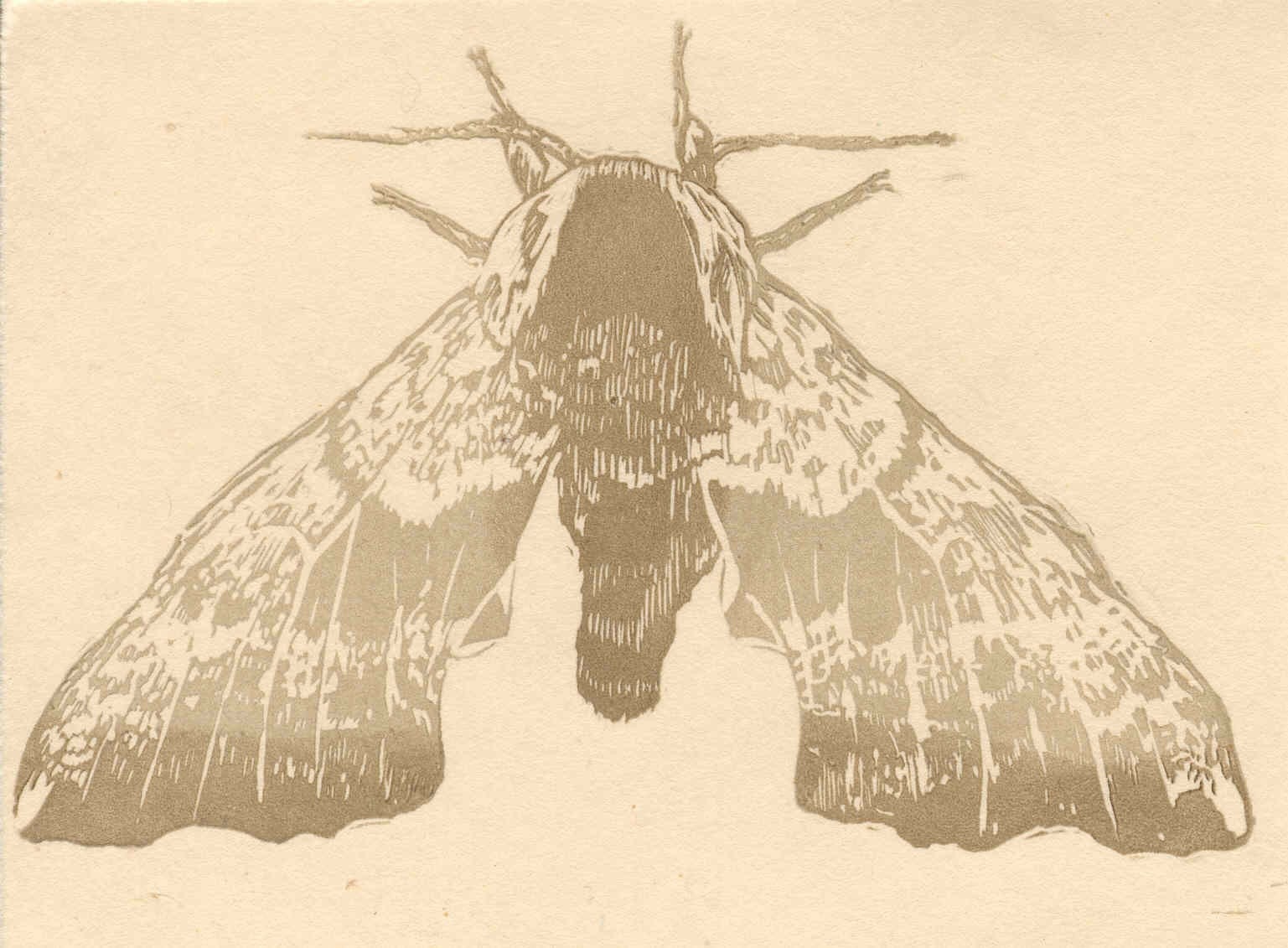
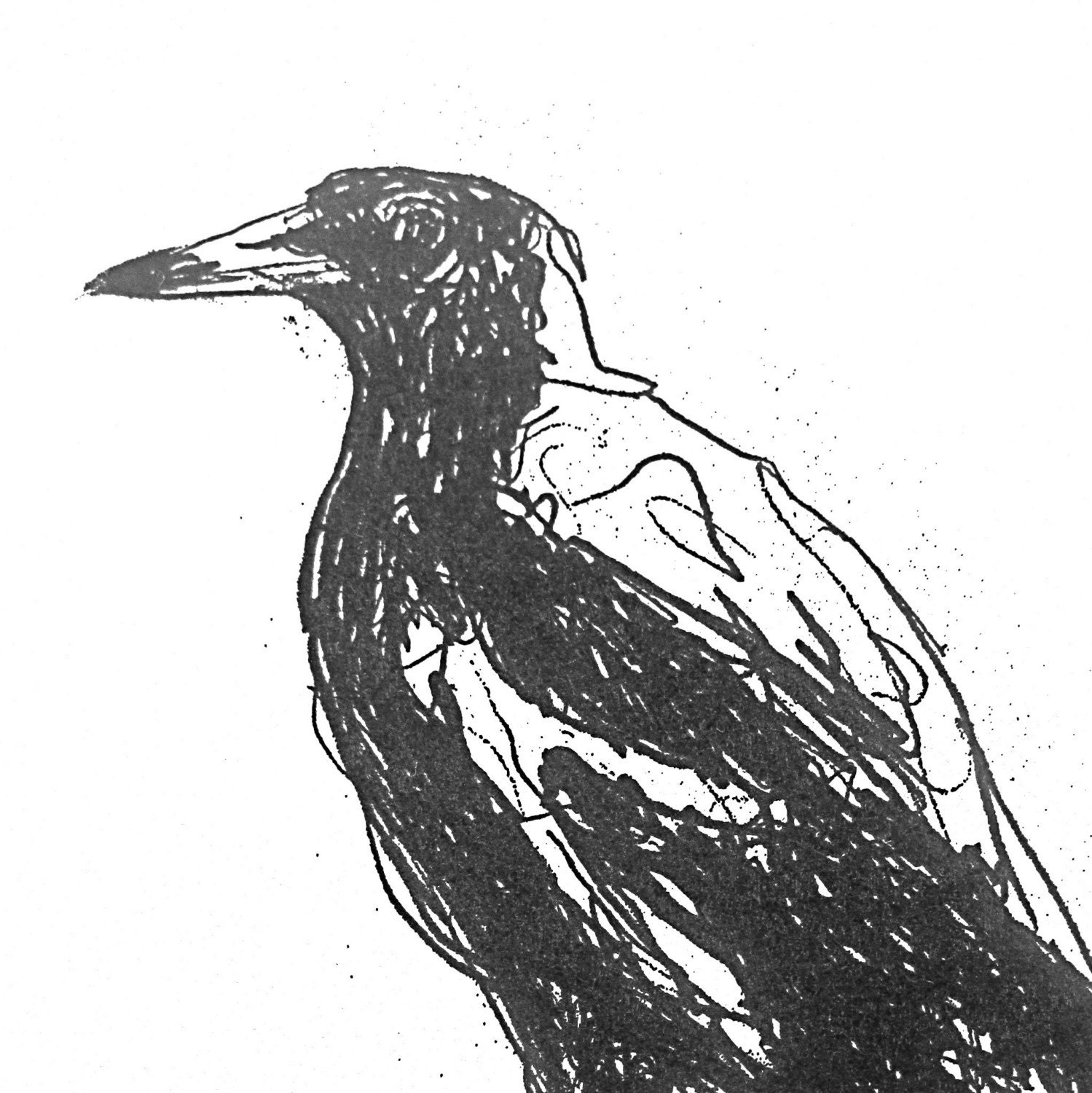
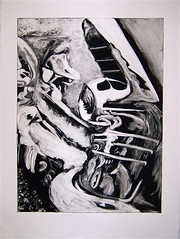
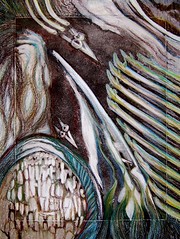
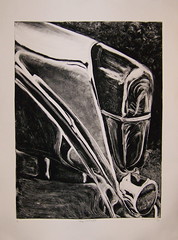
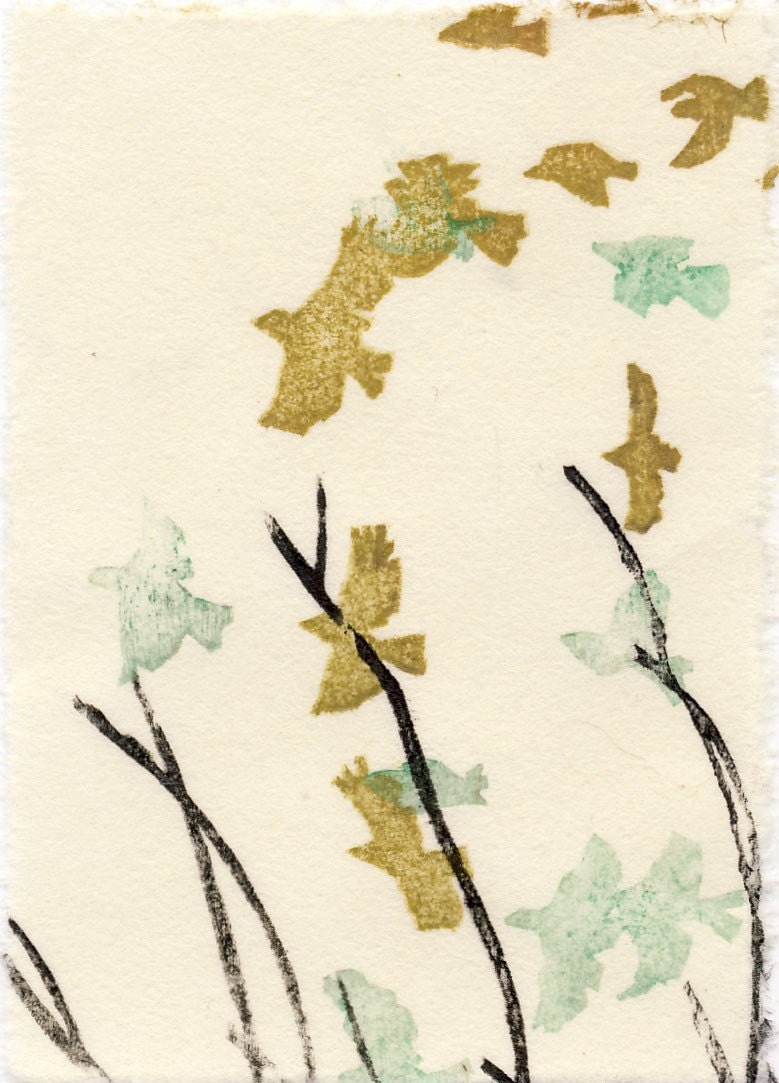
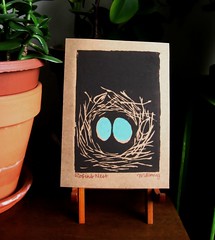
 Name: Marcy Davy of All Things Grow
Etsy: allthingsgrow.etsy.com
Blog: thereisonlymake.blogspot.com
Flickr: flickr.com/photos/all_things_grow
Brief Bio
I grew up in a small town in the middle of Michigan’s Lower Peninsula and now live and work in the Ann Arbor area. I finished a degree in design with a major in printmaking in 2004. I’ve spent the last few years working as a sign artist at Trader Joe’s. It was supposed to be a temporary gig while I completed art teaching certification, but I’ve been finished with that for a year and have had a difficult time pulling myself away. Working in design by day has allowed me to keep a fluid give and take between my working life and in making prints on my own. I live with my college sweetheart and our cat, and I love spending as much time as possible outside- we live right on the Huron River and pass a lot of time picnicking in our little red canoe when Michigan’s climate of opposites permits.
How did you get started in printmaking?
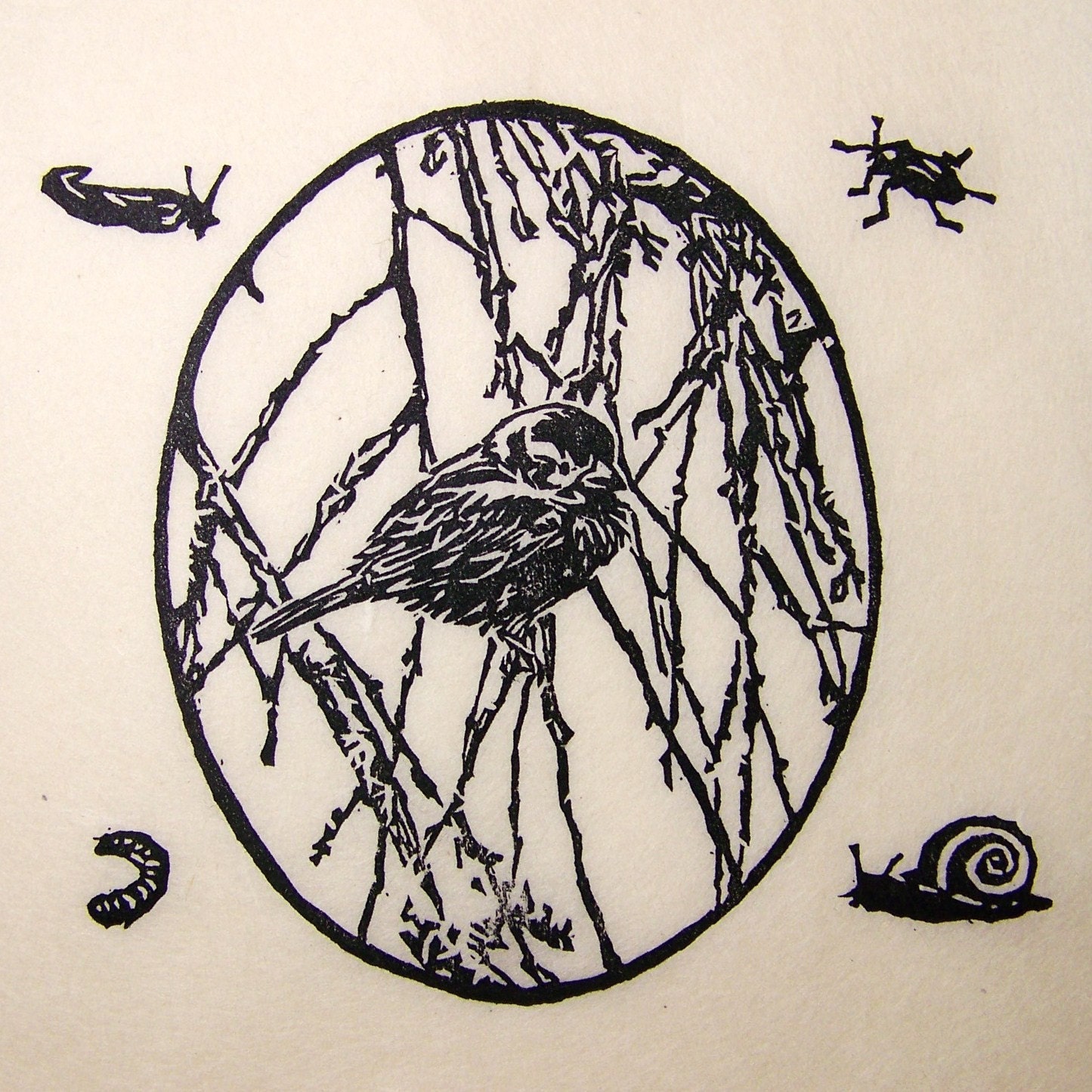
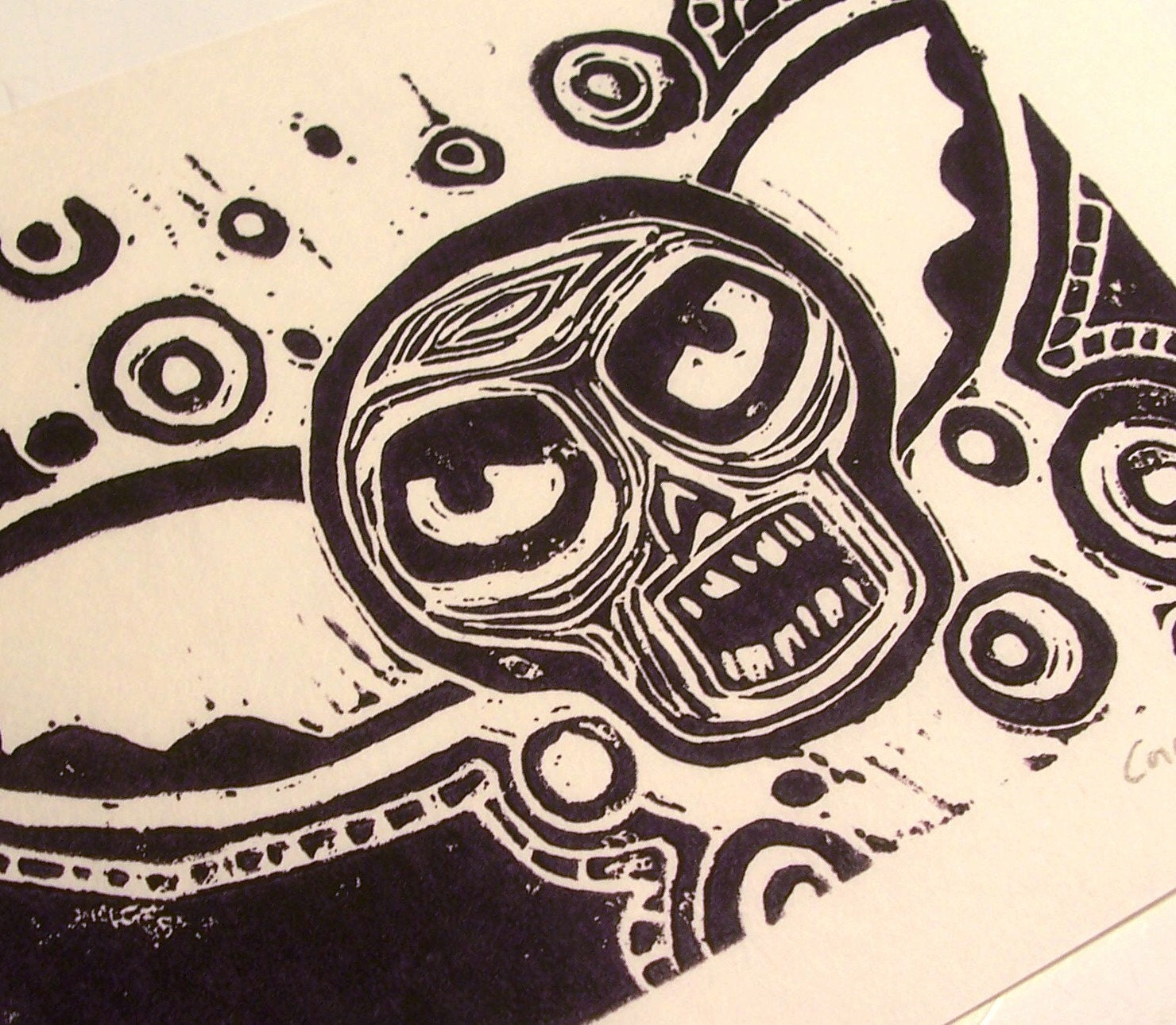
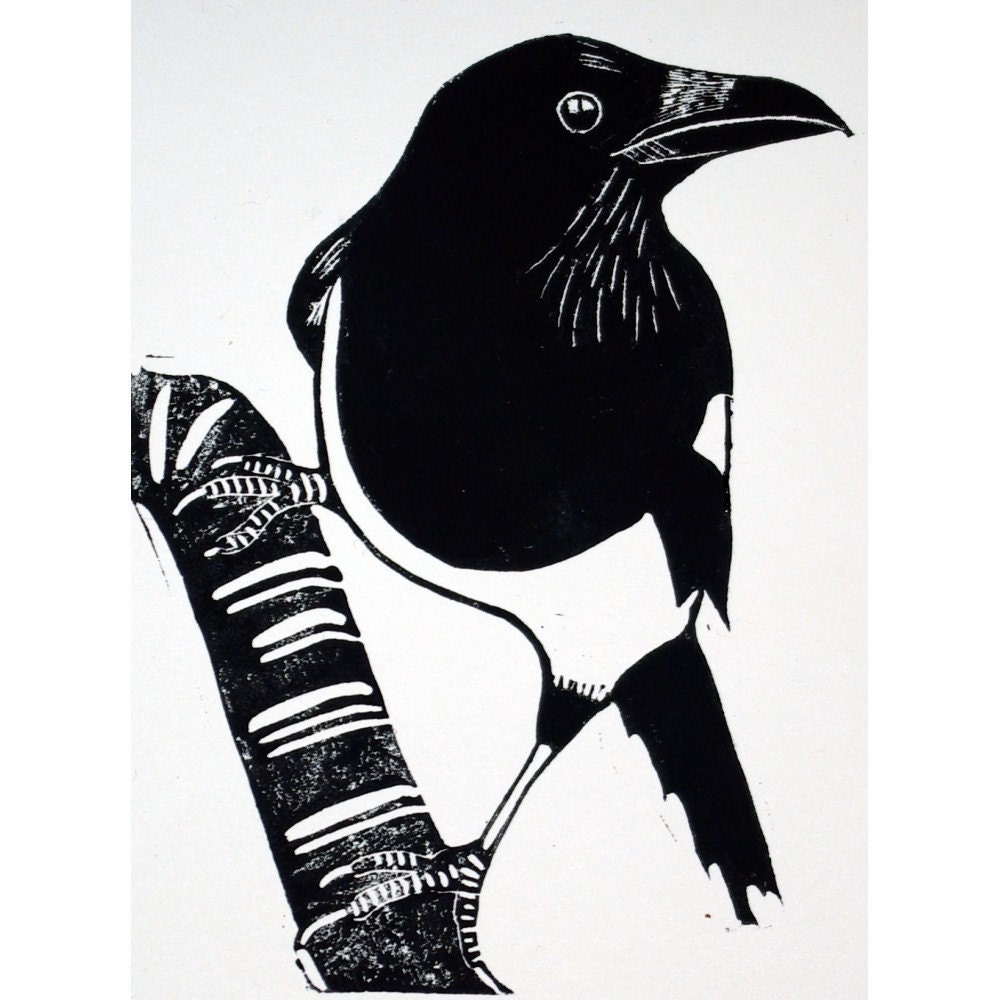
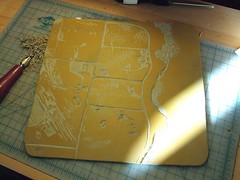
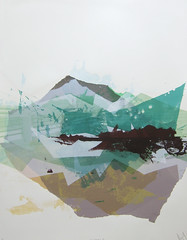
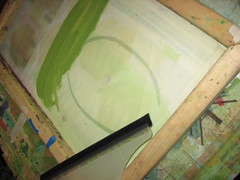
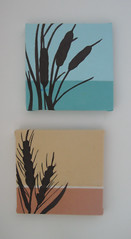
I went to a nearby State U. and eventually found my way to a printmaking course. I was working on an English degree when I started etching my first zinc plate, and fell hard for the process, the tools, and the endless ways to transfer images. I was helped along by an amazing professor who has a real passion for print and makes stunning and complex work in her own right. So I switched majors, took more printmaking classes, and didn’t look back. I didn’t even come close to mastering any kind of technique or style in my undergrad, but I learned so much. When I went back to school and started screen printing on fabric in a textiles class, (under another amazing professor) something clicked. I’d never liked screen printing before, but it’s so rich and compelling on canvas. I haven’t been able to stop since. Today I still work in my favorite process from the old days (woodblock printing) but switch it up with lots of screen printing and occasionally mix the two together.
Describe where you work.
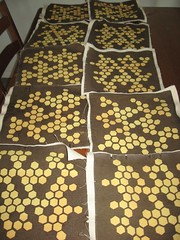
I store everything in semi-organized containers in a generous storage closet, and work in various spots throughout our apartment. Anything involving ink stays in the kitchen and dining room. I carve blocks and cut down canvas and paper in our office. It’s forced me to get creative in my methods, and I’d kill for the space to plunk down a press, but generally speaking it’s not so bad. My boyfriend is really supportive of what I do and is happy to accept that occasional ink in the sink or sawdust on the floor. He also creates all of my stretcher frames and cuts down woodblock plates for me to carve.
What's your favourite printmaking process?
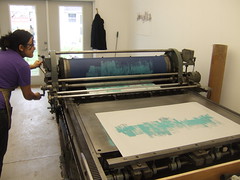
I divide my time between screen and woodblock printing and love them both in equal measure. If I had the resources to do anything else, I’d choose lithography—I love the water/grease process and the hunks of smooth limestone. I like that it is about reusing the same matrix over and over—whenever I’ve worked in litho I’ve felt like I’m part of an image continuum, that the stone has so many stories to tell about everything that’s been created on it before.
What's your creative process for any given print? (eg. sketch first? Pre-planned or free-form?)
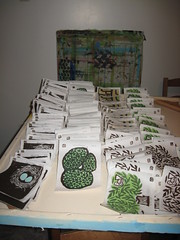
I try to look at all of my experiences in terms of images. I pull from memories and my favorite places in the natural world to find patterns that speak to me. I look for interesting ways to represent these connections I have—usually with lots of research and an eye on what’s going on in design. I steep myself in all of these different ideas and make lots of quick sketches and then pull them away by imposing limits and concentrating on the elements and principles of good design. Then I make some intentional aesthetic decisions to reign myself in a bit more and before I know it, I have a plan.
Then I start working and promptly abandon it.
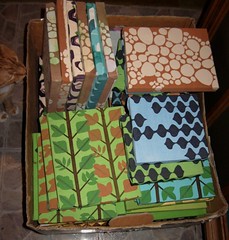
What do you enjoy most about printmaking?
I love that the process is indirect and that no matter how much you plan you never quite know what your result will be until you pull away your plate or screen. When it’s good— when you’ve agonized over every step and it comes out just right, pulling away that plate is like Christmas morning—- pure joy. I’m addicted to that moment. And… to be honest, I seem to do everything the hard way, so maybe that’s why this process appeals to me— but I just think that this one final instant is so much more rewarding than painting or drawing or anything where you create your image in a direct way. I also love that with printmaking there is a final moment, because I tend to ‘over do’ everything else. I envy painters who can let one brush stroke speak volumes because I will go over that one stroke again and again waiting for some sense of ‘done’ to surface. With prints there’s a sequence of steps-- when it’s done it’s done and that’s it.
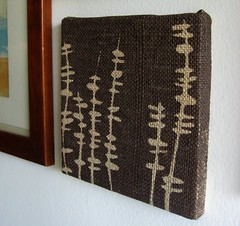
What's your least favorite part of the process?
The same thing that I enjoy most, that it is an indirect one. Printing can be so frustrating —a slip of your hand can change your whole image and there’s no way to get it back without starting over. I’m not the most careful printer, so I make a lot of mistakes along the way and I’m glad to trade them for the spontaneity and the journey, but there have been plenty of nights where I’ve chucked everything back in my little closet and said I’ll try again tomorrow. I think there’s a certain romance to this working in a way where you’re so far removed from the finished product—when it comes out right it is amazing, and when it doesn’t—it can break your heart.
What are your inspirations (other artists, people, places, events, etc.)?
I believe in the church of Mother Nature, and I find the most inspiration in her patterns and constancy. Right now we’re at the end of a long winter here in the northern Midwest, and I’m more than ready to fill my inspiration cup up with a sunny road trip or long day on the river.
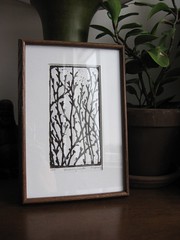
I’ve also been inspired by so many artists along the way— the old way makers in the textbooks, current design trends that seem to gain momentum so fast in this world where we can all communicate with greater ease, and in running ideas past my colleagues and friends. It’s always changing-- right now I’m loving Helen Frankenthaler. I love her lush stained canvases and the knowledge that she too was a fan of letting the process take her somewhere new that she couldn’t control.
How has your work changed and evolved since you started?
When I started printing nine years ago I tried to make work with grand meanings and obvious visual symbols. I started with a message, and at the end of the day they always felt contrived and obvious to me. Now I try to use my work to explore rather than offer definitive answers-- to traffic in subtleties and focus much more intently on design principles. I take a lot more risks now, and I find that I’m much more satisfied when I don’t feel the pressure to ‘say something’
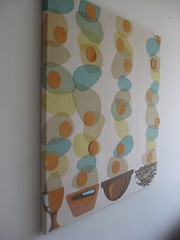
How do you get past creative slumps?
I feel like there’s inspiration in every shared pint and commute to work—it’s just a matter of patiently waiting for a visual connection to happen in its own time, and the best way to foster that environment is to work through it. The fact that I have to show up for work forty hours a week and make art no matter what has been great for me because I’ve learned that you just push through the slumps and wait for the next spark. I feel like all that matters in the end is that you keep going—that the key to finding success in anything you do is in willpower and persistence.
How do you promote your work?
I don’t do anything too out of the ordinary—I hand out business cards here and there, I started a blog that links with my Etsy site, and I’m starting to reach out more on the internet to other artists and bloggers in our little corner of the art world. I put my shop name on everything— on every thank you note and piece of work I put out, and I feel some of that coming back to me slowly.
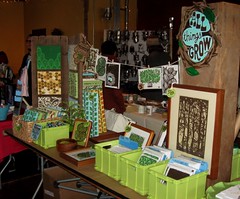
By far the best and most rewarding method of promotion for me has been art shows. There’s no better feeling than standing behind the things you make and interacting with countless people who connect to it and take it home with them. I apply to every single alternative art fair I can find in my area-- I’ve met so many wonderful, helpful and sweet artists and art lovers at these shows, and it has really helped me see that I’m not alone in my dining room trying to make this work. The alternative art scene has also helped me find a place to offer prints outside of the pretentious and impenetrable fine arts world, and I feel like I’m making original art accessible to people by pricing it low and participating in these shows with my like-minded peers. My goal from the beginning has been to be competitive with corporate design giants like Target and Ikea and give people who are looking for something unique the opportunity to have it. I feel this same energy on Etsy, but it pales in comparison to spending a day literally putting the prints that I make into other people’s hands. I love the people that show up and say ‘I came here because of what you make—I want more of it, and I brought my friends.’ These shows are a great way to get out there, and I’ve found that I reap rewards from them beyond my wildest dreams.
Any other comments or advice for others who want to try making hand-pulled prints?
Don’t be afraid to try it! I think a lot of people shy away from printmaking because they aren’t even really sure what a hand-pulled print is in our day and age—let alone how to start making one. You can start really small though. You can make a screen with old pantyhose and an embroidery hoop, you can carve away a pink eraser with an X-acto knife. I’ve met a lot of artists who have been intimidated by printmaking; all of the special inks and papers and brayers and squeegees, the terminology alone is daunting and it seems at first like there are too many rules. You might come to find that it is just what you’ve been missing though—I know that I did.